PA Theory Network (PATNet) – Theory Fellows Program
Spring 2026
Congratulations to the 2026 PA Theory Network Fellows

THIS CALL IS CURRENTLY CLOSED
The Public Administration Theory Network (PATNet) invites applications for the Spring 2026 Theory Fellows Program.
Program Overview
The PATNet Theory Fellows Program recognizes graduate students and practitioners whose research, teaching, and/or practice is substantively connected to public administration theory. The program is designed to support the development of theoretical perspectives in public administration and to facilitate scholarly exchange among emerging researchers who are interested in different epistemologies. Selected Fellows will be formally recognized during the 2026 PATNet Conference in New Delhi, India, and featured in the conference program.
This is a great opportunity for graduate students and early career researchers to meet their peers and connect with our community of theory-focused scholars. Participation in the program also contributes to professional visibility within and beyond PATNet’s international community of scholars.
Fellows will also receive complimentary registration for the PA Theory 2026 conference, a one-year PATNet membership, lunch, and accommodations. Selected candidates will participate in a pre-conference workshop in which senior scholars will share important insights into developing a career that is theoretically informed or geared towards creating theory. Fellows will also enjoy opportunities for mentorship and engagement in PATNet. PATNet is committed to fostering an inclusive scholarly community.
Program Objectives
The 2026 Theory Fellows Program is guided by the following questions:
- What is the role of theory (including postcolonial, feminist, queer, etc.) in contemporary public administration?
- How can theory inform, critique, and strengthen practice in diverse institutional, cultural, and political contexts?
- In what ways can emerging scholars contribute to developing, revising, and applying theory to real-world challenges?
Fellows will explore these themes through interactive workshops, mentorship sessions, and collaborative discussions during the conference and related events.
Eligibility Criteria
Applicants must:
- Be graduate students, early career scholars/practitioners actively engaged in theoretical work related to public administration;
- Be available to participate in the pre-conference hybrid mode workshop on February 26, 2026.
- Individuals previously selected as fellows may reapply for a limited number of senior fellowships.
Application Requirements
Applicants must fill the form: https://docs.google.com/forms/d/e/1FAIpQLSc4tIGSpDGXXU5Nt9esnuj_silK5BUPCF8Jsn9ls_vUpJjJsw/viewform?usp=dialog
- Full name, professional/academic information, and contact information
- Explain in a max 700-word statement:
- What epistemology you think best informs your academic work or practice;
- Which theory (or theories) inform your research or practice;
- How your academic/public service work contributes to advancing, informing, or critiquing that theory; or what kind of theory you are modifying/developing;
- Explain how the fellowship will enhance your learning/developing theories and concepts.
- A brief description ( 200 words max.) of a potential mentor’s contributions to your plan.
- Optional: Additional information relevant to the committee’s evaluation.
- Current CV or résumé.
Review Process
Application review will begin on December 2nd, 2025. The selection committee includes:
- Samanta Varela Castro, PATNet Secretary and Fellows Committee Chair
- Pooja Paswan, PATNet Board Chair
- Christopher Tyler Burks, PATNet Co-Vice-Chair
- Michal Placek, PATNet Vice-Chair
- Triparna Vasavada, PATNet Board Member
- Ricardo Correa Gomez, PATNet Board Member
Evaluation Criteria
Applications will be evaluated based on:
- Theoretical relevance and originality of ideas;
- Alignment with PATNet’s mission to advance theory-informed practice.
For further information or questions, please contact the PATNet team at svarela@cmq.edu.mx
Fellows Program
PAT-Net recognizes graduate students who show interest and promise in scholarship that is devoted to critically understanding government, governance, and administration. Fellows engage in a pre-conference workshop. They receive a complimentary conference registration and a one-year PA Theory Network membership. The mentorship, connections, highlighting, and ideas that are generated from the Fellowship are unique in the field, and cherished by many scholars.
Collin D. Cox (Florida State University, U.S.A.)
Renee Cardarelle (Hamline University, Minnesota, U.S.A)
Zachary Curinga (Rutgers University, Newark, U.S.A)
Christopher Burks (University of Arkansas at Little Rock, Arkansas, U.S.A)
Francisco J. Lopez Montano (California State University, East Bay U.S.A)
Neugolca Theresa Rosario (Jackson State University, Mississippi, U.S.A)
Ainura Kenzhetayeva (Kent State University, Ohio, U.S.A)
Mara Demichelis (University of Turin, Italy)
S. Mohsen Fatemi (University of Kansas, U.S.A)
Ojooluwa Ibiloye (University of Delaware, Newark, U.S.A)
Nada Alqahtani (Pennsylvania State University, Pennsylvania, U.S.A)
Ridwan Islam Sifat (University Of Maryland Baltimore County, Baltimore, U.S.A)
Sina Jangjoo (Florida State University, U.S.A.)
Gloria Sdanganelli (University of Turin, Italy)
Apply to be a 2025 fellow using the following link: https://tinyurl.com/PATNetFellows2025
Congratulations to the 2024 PAT-Net Fellows!
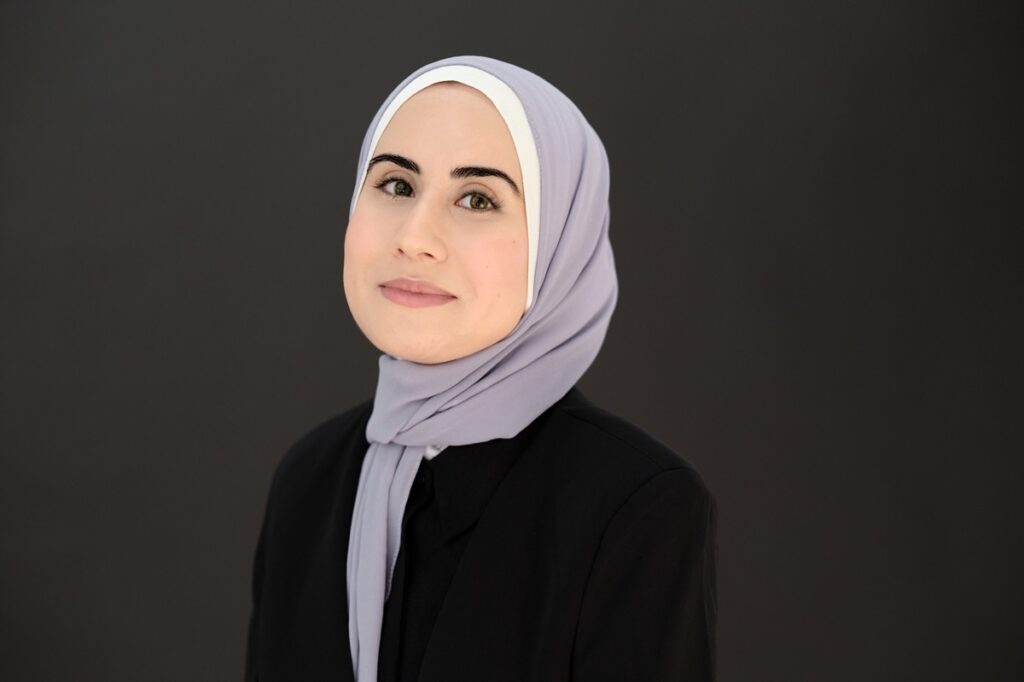
Norhan Alshihabi
University of Massachusetts Boston
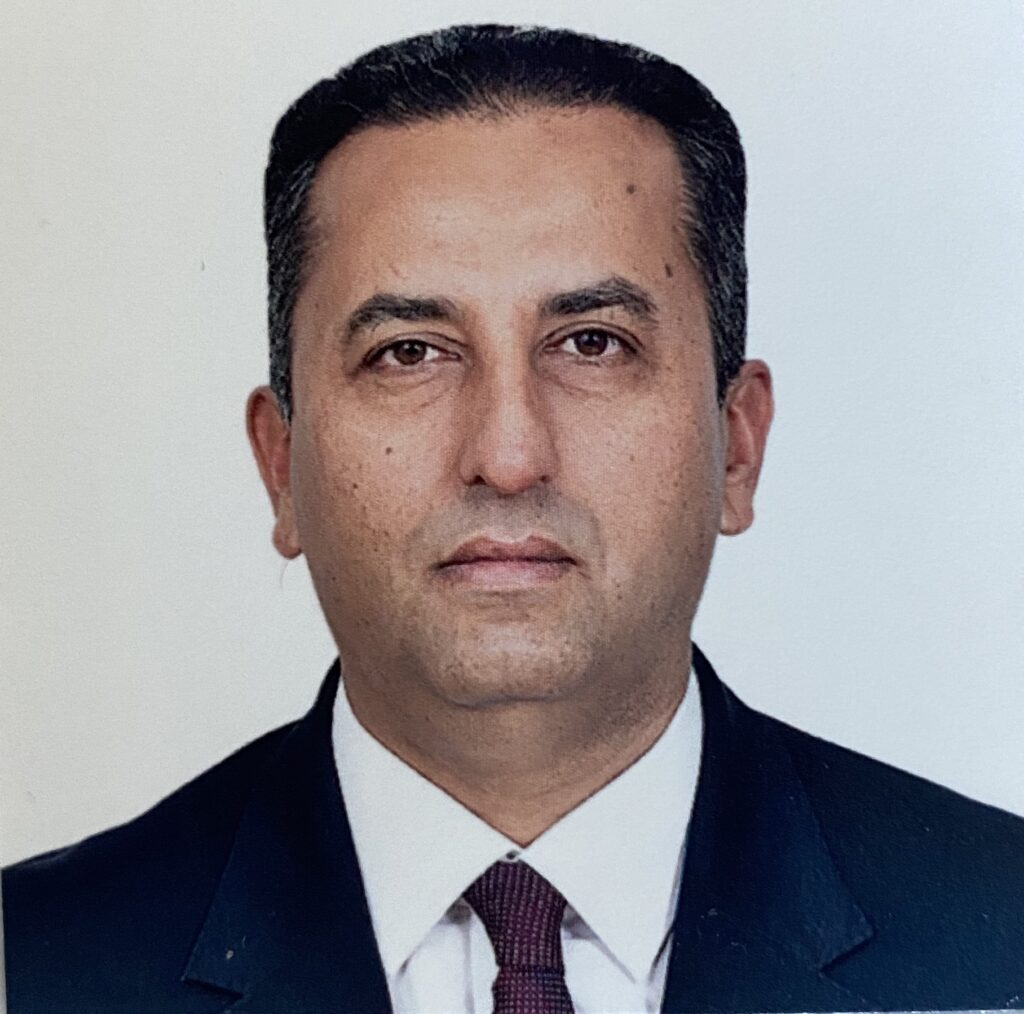
Faisal Cheema
Indiana University

Colin Cox
Florida State University
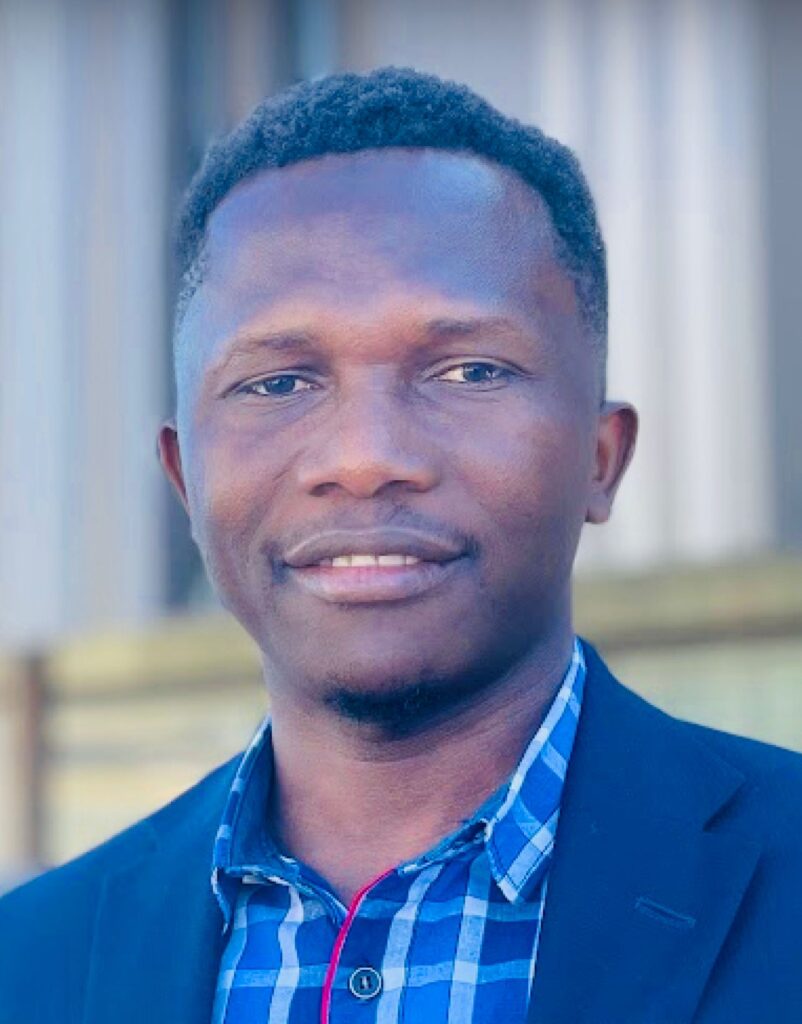
Amidu Kalokoh
Virginia Commonwealth University

Ainur Kenzhetayeva
Kent State University

Xiao Liang
Rutgers University-Camden

Faika Lore
Virginia Tech

Barbara Lu
University of Delaware
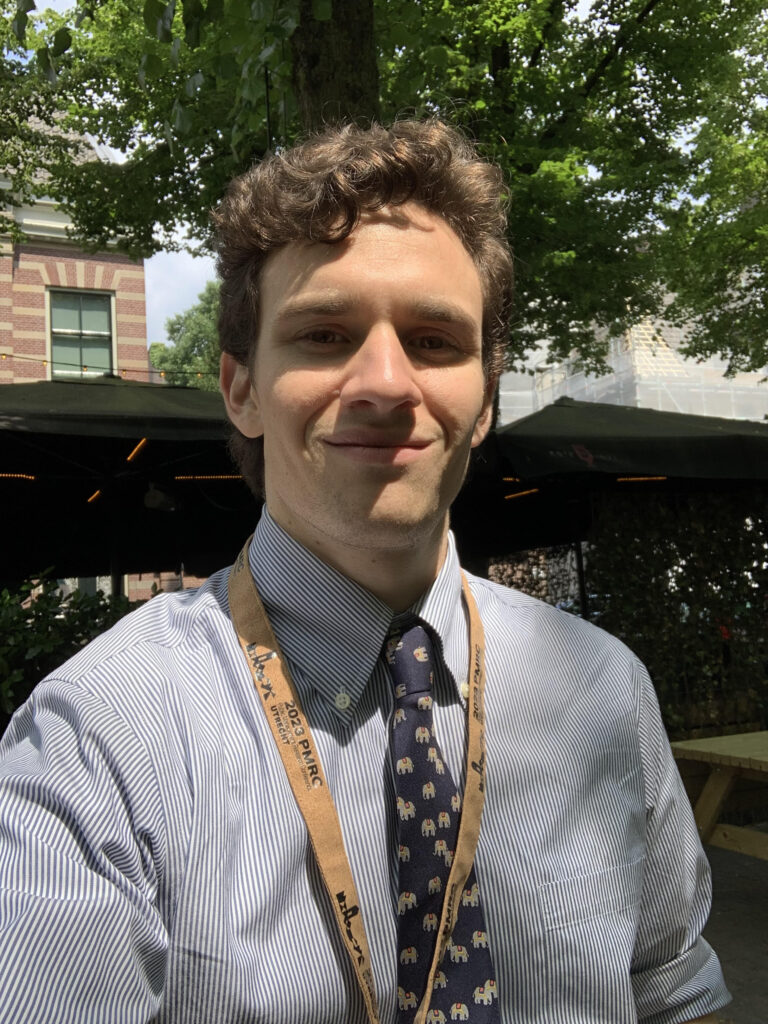
Mark Nepf
Evans School of Public Policy & Governance,
University of Washington
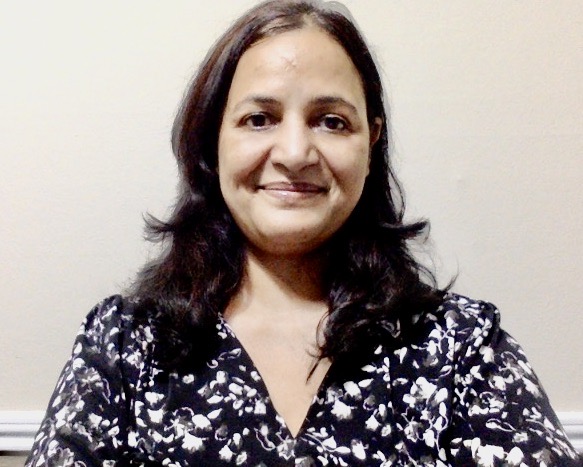
Namrta Sharta
The University of Texas at Dallas

Farzana Sharmin
Northern Illinois University

Arqam Tariq
University of Delaware

Andre Tsai
Georgia State University and Georgia Institute of Technology (Joint PhD program)

Chloe White
Cleveland State University

Isaac Yeboah
Virginia Commonwealth University

Daniel Zorrilla
University of Delaware